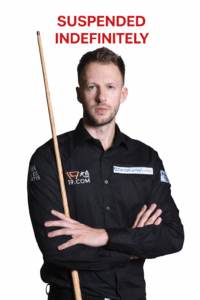
BOMBSHELL ANNOUNCEMENT: Sunderland AFC forward Wilson Isidor has been banned and suspended indefinitely from sport as he was tested positive for….see more

However, before jumping to conclusions, it is essential to separate verified facts from speculation, misinformation, and outright fabrication. As of now, there is no confirmed or credible official report from recognized football authorities indicating that Wilson Isidor has been banned or suspended for doping or any related offense.
The Rise of Wilson Isidor
Wilson Isidor, a French forward known for his pace, technical ability, and attacking instincts, has been steadily building a name for himself in European football. His move to Sunderland AFC was seen as a strategic step both for his career and for the club’s ambitions. Sunderland, a team with a passionate fan base and a rich history in English football, has been actively rebuilding and investing in young talent.
Isidor’s performances have drawn attention, and with attention often comes scrutiny. In the digital age, players are not only judged on the pitch but also subjected to intense speculation off it. Unfortunately, this environment can also give rise to unfounded rumors.
Understanding Doping Allegations in Football
Accusations of doping in professional sports are serious matters governed by strict protocols. Organizations like FIFA and World Anti-Doping Agency (WADA) have clear procedures in place for testing, reporting, and sanctioning.
When a player tests positive for a banned substance, the process typically includes:
Notification of the player and relevant club
Analysis of “A” and “B” samples
Opportunity for the player to appeal or explain
Official announcement only after confirmation
These steps ensure fairness and transparency. Crucially, verified announcements are always made through official channels, not through vague or sensational social media posts.
The Danger of Viral Misinformation
The headline in question—claiming a “bombshell announcement”—fits a common pattern seen in online misinformation. Such headlines are designed to provoke emotional reactions and encourage clicks, often without providing verifiable details or sources.
In many cases, these stories:
Lack attribution to credible journalists or institutions
Use ambiguous phrases like “see more” or “reports claim”
Spread rapidly across blogs and social media pages
This phenomenon is not unique to Wilson Isidor. Many athletes across different sports have been falsely linked to scandals due to misinformation campaigns or careless reporting.
Sunderland AFC’s Position
As of now, Sunderland AFC has made no official statement suggesting any disciplinary action against Isidor related to doping. Clubs typically act swiftly in such situations to maintain transparency and protect their reputation.
If such a serious issue had indeed occurred, it would likely be covered by major sports media outlets and accompanied by formal confirmation from governing bodies.
The Human Impact of False Claims
Beyond the headlines and speculation lies a real person. False accusations can have significant consequences for athletes, including:
Damage to reputation
Mental and emotional stress
Strained relationships with fans and sponsors
Long-term career implications
For a developing player like Wilson Isidor, such rumors can be particularly harmful. In an industry where public perception matters greatly, even unverified claims can leave lasting impressions.
Why Responsible Reporting Matters
Sports journalism plays a crucial role in informing fans and shaping narratives. Responsible reporting requires:
Verification from credible sources
Clear distinction between fact and speculation
Avoidance of sensationalism
Readers, too, have a role to play. Being critical of what we consume and share online can help curb the spread of misinformation.
Final Verdict: Fact vs Fiction
At this point, the claim that Wilson Isidor has been banned indefinitely for testing positive for a substance appears to be unsubstantiated and likely false. There is no credible evidence or official confirmation supporting the headline.
Until reliable sources such as FIFA, WADA, or Sunderland AFC provide verified information, such claims should be treated with skepticism.
Conclusion
The story surrounding Wilson Isidor serves as a reminder of how quickly misinformation can spread in the digital era. While dramatic headlines may capture attention, they do not always reflect reality.
Football fans should remain cautious, rely on trusted sources, and avoid amplifying unverified claims. As for Isidor, all indications suggest that he remains an active professional player, continuing his journey with Sunderland AFC—free from any confirmed doping allegations.









Post Comment