TOUCH DOWN: professional snooker woman legend Bai Yulu has officially submit her resignation letter to….see more
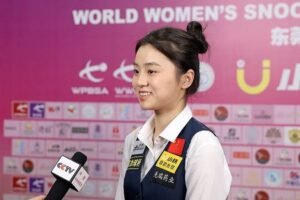
This news marks one of the most dramatic turns in the history of cue sports, as Bai’s meteoric rise — from a junior standout to a dominant force on both the women’s tour and an emerging contender against male professionals — helped redefine expectations for women in snooker over the past several years.
—
A Trailblazing Career Cut Short? The Rise of a Legend
Born on 10 July 2003 in Weinan, China, Bai Yulu burst onto the international scene with prodigious talent and remarkable composure beyond her years. She quickly established herself as a dominant force:
Multiple World Women’s Snooker Championships winner, becoming the first woman from mainland China to capture the title and later defend it.
Two‑time UK Women’s Snooker Champion, a testament to her consistency at the sport’s most prestigious non‑world events.
Achieved the number one position in the world women’s rankings in early 2026, cementing her place among snooker’s elite.
Her breakthrough on the professional scene also included historic moments such as becoming the first female player to win multiple matches at the UK Championship qualifiers and achieving a 145 break, the highest ever by a woman in professional snooker competition.
Bai’s success extended beyond titles: her playing style — a blend of powerful scoring, strategic nous, and unshakeable temperament — helped shift perceptions about gender barriers in the sport. Her frequent appearances in men’s qualifiers and ranking events were celebrated as symbolic progress toward a truly open competitive environment.
—
The Resignation: What We Know
According to insiders familiar with the matter, Bai’s resignation letter was submitted quietly but formally to snooker authorities late last week. While no official statement has yet been released by Bai herself or World Women’s Snooker, sources suggest that the decision comes after months of intense personal reflection.
Although the precise reasons remain private, informed commentators believe the decision reflects a combination of factors:
Mental and physical toll: The relentless schedule of modern professional snooker, especially for someone competing at the highest levels of both women’s and open events, has been cited as a major stressor.
Greater ambitions beyond competitive play: There is speculation that Bai may be eyeing roles in coaching, advocacy for women’s sport, or even broader media and ambassadorial duties — areas where her influence could be transformative.
Personal life considerations: Like many elite athletes, Bai may be reassessing her priorities outside of competition, including education and family commitments.
While these elements remain speculative without direct confirmation, the resignation of a globally ranked, active champion — “with still the best years ahead” according to many pundits — is virtually unprecedented.
—
Reactions from the Snooker World
The response from the snooker community has been immediate and deeply emotional:
Fellow professionals have paid tribute to Bai’s impact on the sport, praising her sportsmanship, humbleness, and the doors she opened for future generations.
Fans across social media and snooker forums are expressing a mix of admiration, sadness, and gratitude, highlighting iconic matches and moments where Bai’s play elevated the profile of women’s snooker.
Former champions and commentators are already discussing her legacy, with many projecting that her influence will continue long after her final competitive frame.
World Women’s Snooker and the World Snooker Tour are expected to release official statements within the coming days, outlining the formal acceptance of her resignation and plans to honor her contributions.
—
Legacy: More Than Just a Champion
Even at just 22, Bai’s footprint on snooker is immense. She didn’t merely win titles — she reshaped conversations about gender, competitiveness, and the future trajectory of cue sports. Her rivalry with seasoned champions and her success against male professionals helped broaden the sport’s narrative beyond traditional expectations.
For many young players around the world, Bai was not just a competitor but a beacon of possibility, proving that dedication and talent could transcend historical barriers. Whether she transitions into mentorship, coaching, or still broader roles in sport and society, her legacy is already secured.
L











Post Comment