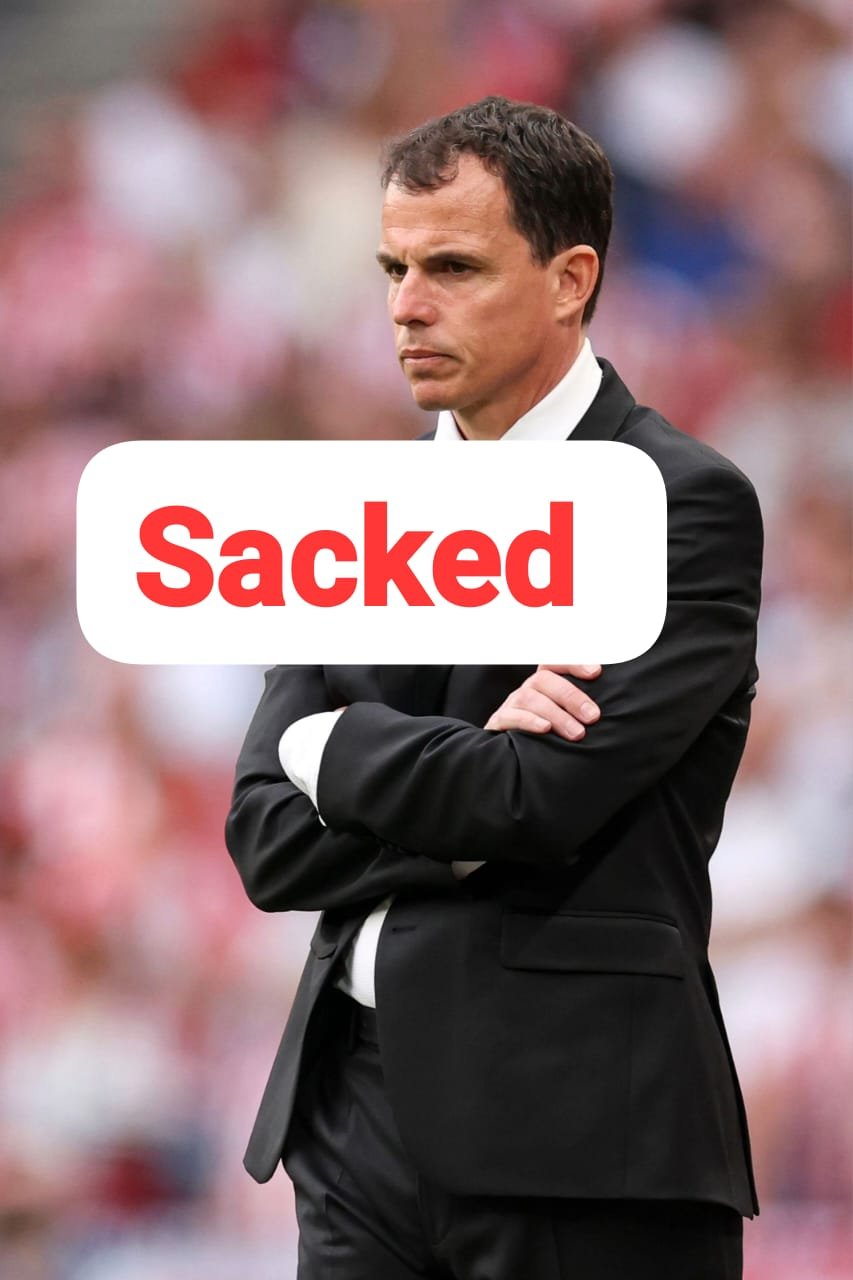
ESPN CONFIRMED: Sunderland AFC head coach Régis Le Bris step down as head coach amid significant errors facing….see more

The decision marks a turning point not only for the club but also for Le Bris, whose managerial journey in English football now faces an unexpected pause. While the full details behind his resignation are still emerging, sources close to the club suggest a combination of on-pitch struggles, dressing room tensions, and strategic missteps contributed to the dramatic outcome.
A Promising Beginning That Faded Too Soon
When Régis Le Bris was first appointed as Sunderland’s head coach, there was a sense of cautious optimism among supporters. Known for his tactical intelligence and progressive football philosophy, the Frenchman arrived with a reputation for developing young talent and implementing an attractive style of play.
Sunderland, a club with a rich history and passionate fan base, appeared to be the perfect stage for Le Bris to showcase his managerial credentials in English football. Early signs were encouraging, with glimpses of fluid attacking football and a renewed sense of identity within the squad.
However, as the season progressed, cracks began to appear. What initially looked like growing pains soon evolved into deeper structural issues that plagued the team’s performances week after week.
Tactical Missteps and Costly Errors
One of the central criticisms leveled against Le Bris during his tenure was his insistence on a rigid tactical system that often failed to adapt to opponents. While his philosophy emphasized possession-based football and high pressing, Sunderland frequently struggled against teams that exploited defensive gaps and transitional weaknesses.
Matches that should have been routine victories turned into frustrating draws or unexpected defeats. Defensive lapses became a recurring theme, with the team conceding goals at crucial moments. Critics argued that Le Bris’s reluctance to adjust his approach in high-pressure situations cost the team valuable points.
In addition, questionable team selections and substitutions raised eyebrows among fans and pundits alike. Several players were deployed out of position, while others who appeared to be in form found themselves inexplicably sidelined.
These decisions, combined with inconsistent performances, created a growing sense of unease around the club.
Dressing Room Dynamics Under Strain
Beyond tactical issues, reports suggest that the atmosphere within the Sunderland dressing room had become increasingly tense in recent weeks. While Le Bris was initially praised for his communication skills and ability to connect with players, that harmony reportedly began to deteriorate as results worsened.
Some senior players are believed to have expressed concerns over the manager’s approach, particularly regarding training intensity, tactical instructions, and matchday decisions. Although such tensions are not uncommon in football, the situation at Sunderland appears to have reached a critical point.
Sources indicate that the club’s leadership became aware of these internal challenges and began evaluating the long-term viability of Le Bris’s position.
Fan Frustration Reaches Boiling Point
Sunderland supporters, known for their unwavering loyalty, have endured years of ups and downs. While many were willing to give Le Bris time to implement his vision, patience began to wear thin as the team’s performances failed to improve.
Home matches at the Stadium of Light, once a fortress, became increasingly tense affairs. Boos and chants of frustration echoed from the stands as fans voiced their dissatisfaction with the team’s direction.
Social media further amplified the discontent, with supporters debating the manager’s future and calling for decisive action from the club’s hierarchy.
The pressure on Le Bris intensified with each passing week, creating an environment that became increasingly difficult to manage.
The Breaking Point
According to reports, the final decision for Le Bris to step down came after a series of internal discussions with club executives. While some sources suggest that he was asked to resign, others indicate that the decision was mutual, with both parties recognizing that a change was necessary.
In a brief statement released by the club, Le Bris expressed gratitude for the opportunity to lead Sunderland and acknowledged the challenges faced during his tenure.
> “It has been an honor to work with this incredible club and its passionate supporters. Despite our efforts, we have not achieved the results expected, and I believe stepping aside is in the best interest of the team.”
The club, in turn, thanked Le Bris for his contributions and wished him success in his future endeavors.
What This Means for Sunderland AFC
The departure of Régis Le Bris leaves Sunderland at a critical juncture. With the season still ongoing, the club must now navigate a period of transition while striving to stabilize performances on the pitch.
Attention will quickly turn to the appointment of an interim manager, who will be tasked with restoring confidence within the squad and delivering immediate results. In the longer term, Sunderland’s leadership will face the challenge of identifying a permanent head coach capable of guiding the club toward its ambitions.
This decision will be crucial, as the club seeks to avoid further instability and build a foundation for sustained success.
Lessons Learned
Le Bris’s tenure at Sunderland serves as a reminder of the complexities of football management, particularly in a highly competitive environment like English football. Even the most promising ideas and philosophies can falter if not executed effectively or adapted to changing circumstances.
For Sunderland, the experience highlights the importance of aligning managerial vision with the realities of the squad and the expectations of supporters.
For Le Bris, this chapter may prove to be a valuable learning experience. Despite the challenges faced at Sunderland, his reputation as a thoughtful and innovative coach remains intact, and it is likely that he will have opportunities to rebuild his career elsewhere.
Reactions Across the Football World
The news of Le Bris’s departure has sparked reactions from across the football community. Pundits, former players, and analysts have weighed in on the situation, offering a range of perspectives on what went wrong.
Some have pointed to the inherent difficulties of managing a club with high expectations and limited margin for error. Others have emphasized the need for greater adaptability and pragmatism in modern football.
Meanwhile, Sunderland supporters have expressed a mix of disappointment and hope—disappointment that the project did not succeed, but hope that the change will lead to a brighter future.
The Road Ahead
As Sunderland AFC moves forward, the focus will shift toward rebuilding momentum and regaining the trust of fans. The coming weeks will be critical in determining the trajectory of the club’s season.
While the departure of Régis Le Bris marks the end of one chapter, it also opens the door to new possibilities. Football, after all, is a game of constant change, where setbacks can pave the way for resurgence.
For Sunderland, the challenge now is to turn this moment of uncertainty into an opportunity for growth—and to ensure that the lessons learned from this turbulent period shape a stronger, more resilient future.








Post Comment