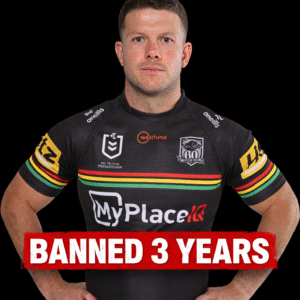
 The rugby league world is no stranger to controversy, but few issues shake the foundations of professional sport more than allegations involving anti-doping violations. When reports circulate suggesting that a player may face suspension after returning a positive test under the strict policies of the National Rugby League, the reaction from fans, teammates, administrators, and the broader sporting community is immediate and intense.
Recently, discussions among supporters and commentators have centered around Jack Cogger, the talented halfback associated with the Penrith Panthers. While speculation in sports media and online communities can spread quickly, it is important to emphasize that official disciplinary processes in professional sport follow strict investigative procedures before any conclusion is reached.
Nevertheless, the situation has sparked a broader conversation about anti-doping regulations, the pressures faced by elite athletes, and the consequences that can arise if a player were ever found to have violated the rules governing performance-enhancing substances.
—
The Role of Anti-Doping Rules in Professional Sport
Modern professional sport operates under strict anti-doping regulations designed to ensure fairness, athlete safety, and the integrity of competition. The National Rugby League, like many major leagues worldwide, works closely with international anti-doping frameworks influenced by organizations such as the World Anti-Doping Agency.
These policies aim to prevent athletes from using substances or methods that could artificially enhance performance or pose risks to their health. Players are subject to random testing throughout the season and even during the offseason. Samples may be collected after matches, during training camps, or through unannounced testing visits.
The system is designed to protect the credibility of the sport. When fans watch a match, they expect that every athlete on the field is competing under the same conditions. Anti-doping rules ensure that success is determined by skill, preparation, teamwork, and determination—not chemical advantage.
—
The Pressure Faced by Elite Athletes
Professional athletes operate in an environment of relentless pressure. From intense training schedules to constant scrutiny from fans and media, the demands placed on players are immense. For someone in a key playmaking role like a halfback, those pressures can be even greater.
Halfbacks are often considered the strategic engines of rugby league teams. They coordinate attacks, manage field position, and make split-second decisions that can determine the outcome of matches. For a player like Jack Cogger, the expectations are particularly high when representing a powerhouse club like the Penrith Panthers.
Athletes must balance physical performance with mental resilience. Recovery, injury management, and maintaining peak condition throughout a long season can be extremely challenging. That is why professional teams employ sports scientists, nutritionists, and medical staff to help players maintain optimal health within the boundaries of anti-doping regulations.
—
What Happens When a Player Returns a Positive Test?
If a player in the National Rugby League ever returns a sample that raises concerns, the process that follows is both detailed and carefully regulated.
First, laboratories accredited under international standards analyze the sample. If a prohibited substance is detected, the athlete and relevant sporting authorities are notified. However, this does not immediately mean guilt or punishment.
Athletes have the right to request testing of the “B sample,” which is a second portion of the original specimen. This step exists to confirm the accuracy of the findings. Only if the second test supports the first result does the disciplinary process move forward.
Even then, athletes can present explanations. In some cases, substances may enter the body unintentionally through contaminated supplements or medications. Each case is reviewed individually to determine intent, responsibility, and appropriate consequences.
—
Potential Consequences of a Suspension
If an athlete were ultimately found to have violated anti-doping regulations, the consequences could be significant.
For the player, a suspension may mean time away from the sport, financial penalties, and damage to their professional reputation. Rugby league careers are relatively short, so even a brief ban can disrupt momentum and affect future opportunities.
For the team—such as the Penrith Panthers—losing a key playmaker could impact performance, strategy, and team chemistry. Coaches may need to restructure their lineup, promote younger players, or adjust tactical plans mid-season.
Fans also feel the effects. Supporters invest emotionally in their teams and players. When controversy arises, it can create disappointment, confusion, and debate across the rugby league community.
—
The Importance of Due Process
One of the most important principles in sports governance is due process. Allegations and speculation should never be treated as confirmed facts until official investigations are completed.
Leagues such as the National Rugby League maintain clear protocols to protect both the integrity of the sport and the rights of athletes. Investigations, appeals, and disciplinary hearings ensure that every case is handled fairly.
This approach is crucial because false or premature conclusions can harm reputations and careers. In today’s digital age—where rumors spread quickly on social media—responsible reporting and careful verification are more important than ever.
—
Support Systems for Players
Professional sports organizations increasingly recognize the importance of supporting athletes both physically and mentally. Education programs help players understand banned substances, supplement safety, and medication guidelines.
Teams also encourage players to consult medical staff before taking any supplement or treatment. Even common over-the-counter products can contain ingredients that violate anti-doping rules if not properly checked.
For young players entering the league, these educational programs are essential. They help ensure that athletes understand not only the rules but also the serious consequences that can arise from mistakes.
—
The Broader Conversation in Rugby League
Situations involving anti-doping concerns—whether confirmed or merely discussed—often trigger deeper conversations about the culture of professional sport. They remind the public that athletes are human beings navigating demanding careers under constant scrutiny.
For fans of the Penrith Panthers and the wider National Rugby League, the focus ultimately remains on the future of the game: fair competition, transparency, and the celebration of genuine athletic excellence.
Players like Jack Cogger represent the dedication and skill that make rugby league one of the most exciting sports in the world. Regardless of any rumors or discussions that may arise, the priority for leagues, teams, and fans alike is ensuring that the sport continues to thrive with integrity and respect.
—
Looking Ahead
As the rugby league season unfolds, supporters will continue to follow developments surrounding their favorite teams and players. Whether it is thrilling on-field performances, emerging young talents, or important discussions about sports governance, the passion surrounding the game remains as strong as ever.
Leave a Reply