BOMBSHELL ANNOUNCEMENT: US Strikes Iran’s Civilian Infrastructure, Kills Scores — Global Outrage Erupts as….
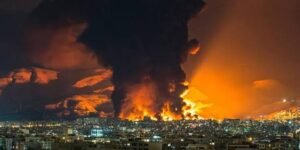
The already volatile conflict between the United States and Iran has taken a dramatic and controversial turn, as fresh reports indicate that U.S.-led strikes have hit multiple civilian infrastructure sites across Iran, resulting in significant casualties and widespread destruction.
According to emerging reports from regional media and humanitarian observers, recent airstrikes targeted residential neighborhoods, schools, and public facilities in several Iranian cities. In western Iran, attacks on housing areas reportedly killed multiple civilians and left dozens injured, while rescue teams scrambled through rubble in search of survivors. (The Daily Star)
The strikes are part of a broader military campaign that began in late February, when U.S. and allied forces launched coordinated operations against Iran. Since then, the conflict has escalated rapidly, expanding beyond military targets into areas considered critical for civilian life.
Humanitarian organizations have raised alarm over the scale of destruction. Iranian officials claim tens of thousands of civilian structures—including homes, schools, and medical centers—have been damaged or destroyed since the war began. (Anadolu Ajansı) These claims, while difficult to independently verify in full, are supported by mounting visual evidence and on-the-ground reporting of widespread urban damage.
In one of the most shocking allegations, rights groups have called for investigations into reported strikes on educational facilities, including incidents where children were among the victims. International legal experts warn that deliberate or reckless attacks on civilian infrastructure could constitute violations of international humanitarian law. (Amnesty International)
Meanwhile, the conflict has evolved into what analysts describe as an “infrastructure war,” with both sides increasingly targeting economic and civilian systems such as energy plants, water facilities, and industrial sites. (The Wall Street Journal) This shift has intensified fears of long-term humanitarian consequences, including shortages of electricity, clean water, and healthcare services.
Adding to global concern, U.S. leadership has issued stark warnings about potentially expanding strikes to include Iran’s critical energy grid if diplomatic efforts fail. (The Guardian) Such threats have drawn condemnation from human rights organizations and calls for immediate de-escalation from world leaders.
The human toll continues to rise as the war drags on, with civilians increasingly caught in the crossfire. Reports suggest that over a thousand people may have been killed since the conflict began, with many more injured or displaced.
As tensions deepen and retaliation intensifies across the region, fears are growing that the conflict could spiral into a full-scale regional war—one that may have devastating humanitarian and economic consequences far beyond the Middle East.
For now, the world watches anxiously as diplomatic efforts struggle to keep pace with a rapidly escalating crisis.














Post Comment