
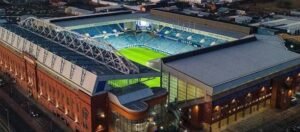
Rangers FC has reportedly taken a historic step toward the future after approving a massive $680.6 million stadium renovation project scheduled to begin in 2026. The ambitious proposal, which aims to transform the club’s iconic home into one of the most modern football venues in Europe, has generated enormous excitement among supporters. However, according to this fictional sports-drama scenario, the announcement has also sparked controversy and uncertainty behind the scenes.
Club executives described the renovation as a landmark investment designed to secure Rangers FC’s long-term future. The project is expected to include expanded seating capacity, upgraded hospitality facilities, advanced digital infrastructure, improved accessibility features, and a complete modernization of fan experiences throughout the stadium.
Supporters initially reacted with enthusiasm as details of the proposed transformation began to emerge. Social media platforms quickly filled with messages celebrating what many viewed as a bold statement of ambition from one of football’s most historic clubs.
However, the excitement was soon accompanied by growing concerns after reports surfaced suggesting that unexpected financial and logistical challenges could complicate the project.
According to fictional sources close to the club, several board members reportedly raised questions regarding construction timelines, budget projections, and the potential impact on matchday operations during the renovation period. While club officials insisted that detailed planning had already taken place, critics argued that a project of such magnitude inevitably carried significant risks.
The proposed redevelopment would reportedly include state-of-the-art fan zones, enhanced media facilities, improved player amenities, and environmentally sustainable technology designed to reduce long-term operating costs. Club executives described the project as an investment that would benefit future generations of supporters.
Despite these assurances, some supporters expressed concerns about potential disruptions. Questions quickly emerged regarding where the team would play if construction work affected stadium capacity or safety requirements during the renovation process.
Football analysts noted that major stadium redevelopments have historically presented significant challenges for clubs around the world. Delays, budget increases, and operational complications have frequently affected similar projects, making careful planning essential.
In this fictional scenario, concerns intensified after reports suggested that local authorities requested additional reviews relating to transportation infrastructure surrounding the stadium. Officials allegedly wanted to ensure that increased attendance figures could be accommodated safely once the project was completed.
Meanwhile, local businesses welcomed the announcement, believing the renovation could create new economic opportunities for the surrounding community. Restaurant owners, retailers, and hospitality operators anticipated increased visitor numbers once the modernized venue opened its doors.
Club legends also reacted positively to the proposal. Several former players praised the vision behind the redevelopment and described the project as a necessary step in maintaining the club’s competitive position among Europe’s elite football institutions.
Supporters’ groups, however, called for greater transparency. Many requested detailed explanations regarding funding arrangements and future ticket pricing policies. Fans emphasized that preserving the stadium’s historic identity should remain a priority throughout the redevelopment process.
As discussions continued, speculation emerged regarding possible design features. Rumors suggested the project could include enhanced supporter sections, expanded museum facilities, interactive digital experiences, and cutting-edge broadcasting technology capable of delivering a world-class matchday experience.
Industry experts described the fictional renovation proposal as one of the most ambitious infrastructure projects in the club’s history. If completed successfully, it could significantly strengthen Rangers FC’s commercial potential while enhancing the overall experience for supporters.
Nevertheless, questions remained unanswered. Would the final cost remain within the approved budget? Could construction be completed on schedule? Would fans embrace the changes while preserving the traditions that have defined the club for generations?
For now, supporters remain cautiously optimistic as they await further details from club officials. The promise of a transformed stadium has created enormous anticipation, but the emerging challenges have ensured that debate surrounding the project is likely to continue for months.
As preparations move forward, one thing appears certain in this fictional account: the future of Rangers FC is set to enter a new and potentially transformative chapter. Whether the ambitious redevelopment becomes a celebrated success story or encounters major obstacles along the way remains to be seen.
Leave a Reply